
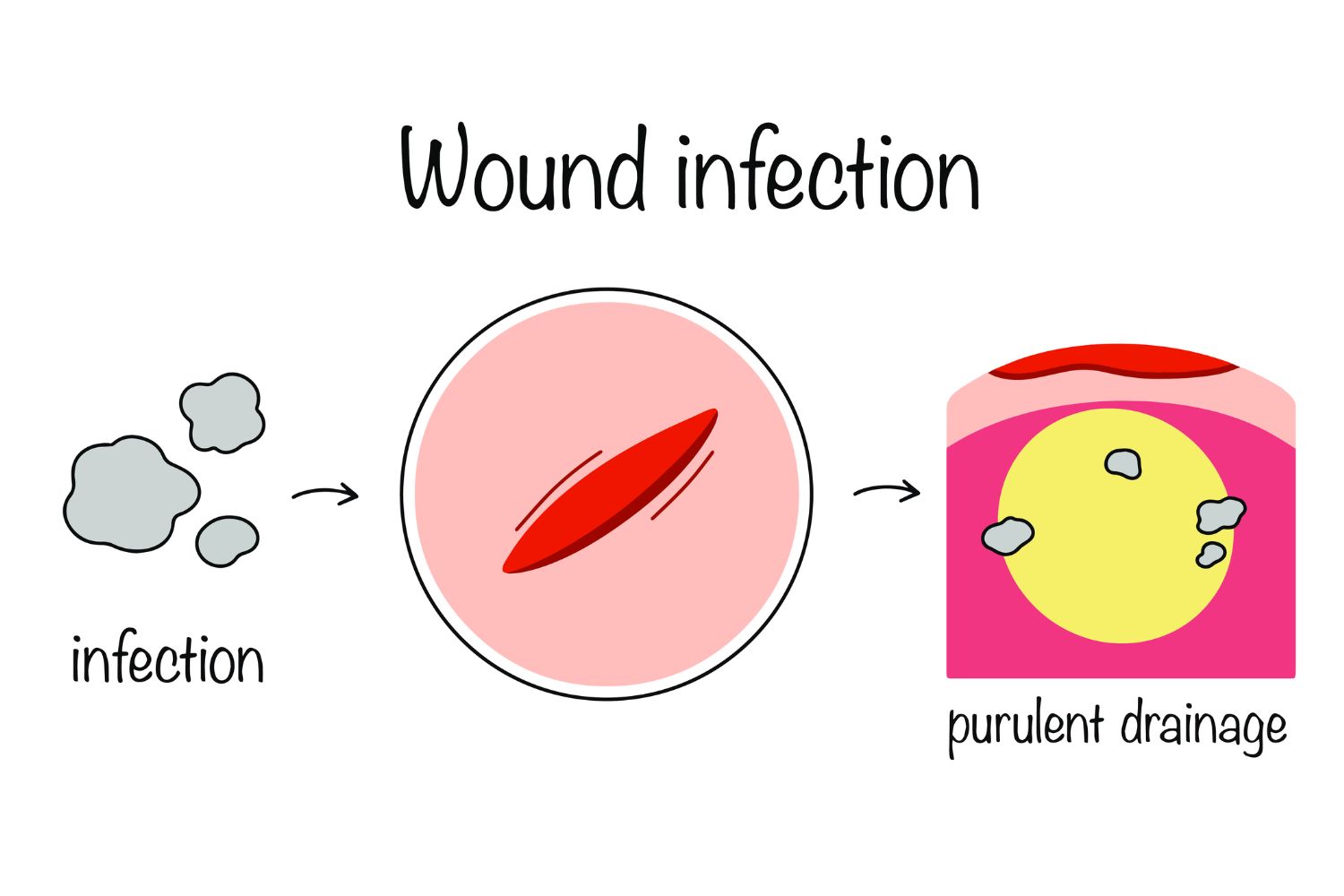
Wounds are a common occurrence, whether from surgical procedures, accidental injuries, or underlying medical conditions. While most wounds heal naturally with proper care, infections can develop when harmful bacteria enter the wound site. Recognizing the early signs of wound infection is crucial for prompt treatment and preventing complications. Here are the key signs and symptoms to watch for:
Increased Pain and Tenderness: Mild discomfort is expected with any wound, but worsening pain or persistent tenderness that does not improve could indicate an infection. If pain intensifies even after the initial injury or surgery, it may be a sign that bacteria have invaded the wound.
Redness and Swelling: Some redness around a wound is normal during the healing process. However, excessive redness that spreads outward or becomes darker can indicate an infection. Swelling that persists or worsens, especially with warmth around the wound, may signal inflammation due to bacterial activity.
Heat Around the Wound: An infected wound often feels warm to the touch due to increased blood flow as the immune system responds to the infection. If the warmth around the wound site continues or intensifies, it may be a sign of infection.
Pus or Drainage: Clear or slightly yellow drainage can be part of normal healing, but thick, green, yellow, or foul-smelling pus is a definite sign of infection. This discharge indicates that the immune system is fighting off bacteria in the wound.
Delayed Healing: A wound that does not show signs of improvement or healing within the expected timeframe may be infected. Infection can interfere with the normal healing process, prolonging recovery and increasing the risk of complications.
Fever and Chills: If a wound infection spreads, it can trigger a systemic response, leading to fever, chills, and body aches. These symptoms suggest that the infection may have entered the bloodstream, requiring immediate medical attention.
Unpleasant Odor: A wound with a foul or unusual smell is often infected. The odor results from bacteria breaking down tissues and producing waste products. Any noticeable smell from a wound should prompt further evaluation.
Hardening of Surrounding Tissue: If the skin around the wound becomes firm or swollen, it may indicate cellulitis, a bacterial skin infection that can spread quickly if untreated. Hardening of the tissues suggests deep infection and requires prompt medical care.
Early intervention with proper wound care, antibiotics, or other treatments can prevent complications such as abscess formation, sepsis, or chronic infections. To reduce the risk of infection, keep wounds clean and covered, change dressings regularly, wash hands before touching the wound, and follow healthcare instructions carefully. If you have underlying conditions like diabetes or poor circulation, extra precautions are necessary to promote proper healing. Recognizing and addressing wound infections early can significantly improve healing outcomes and prevent serious complications. Stay vigilant and proactive in wound care to ensure a smooth recovery.