
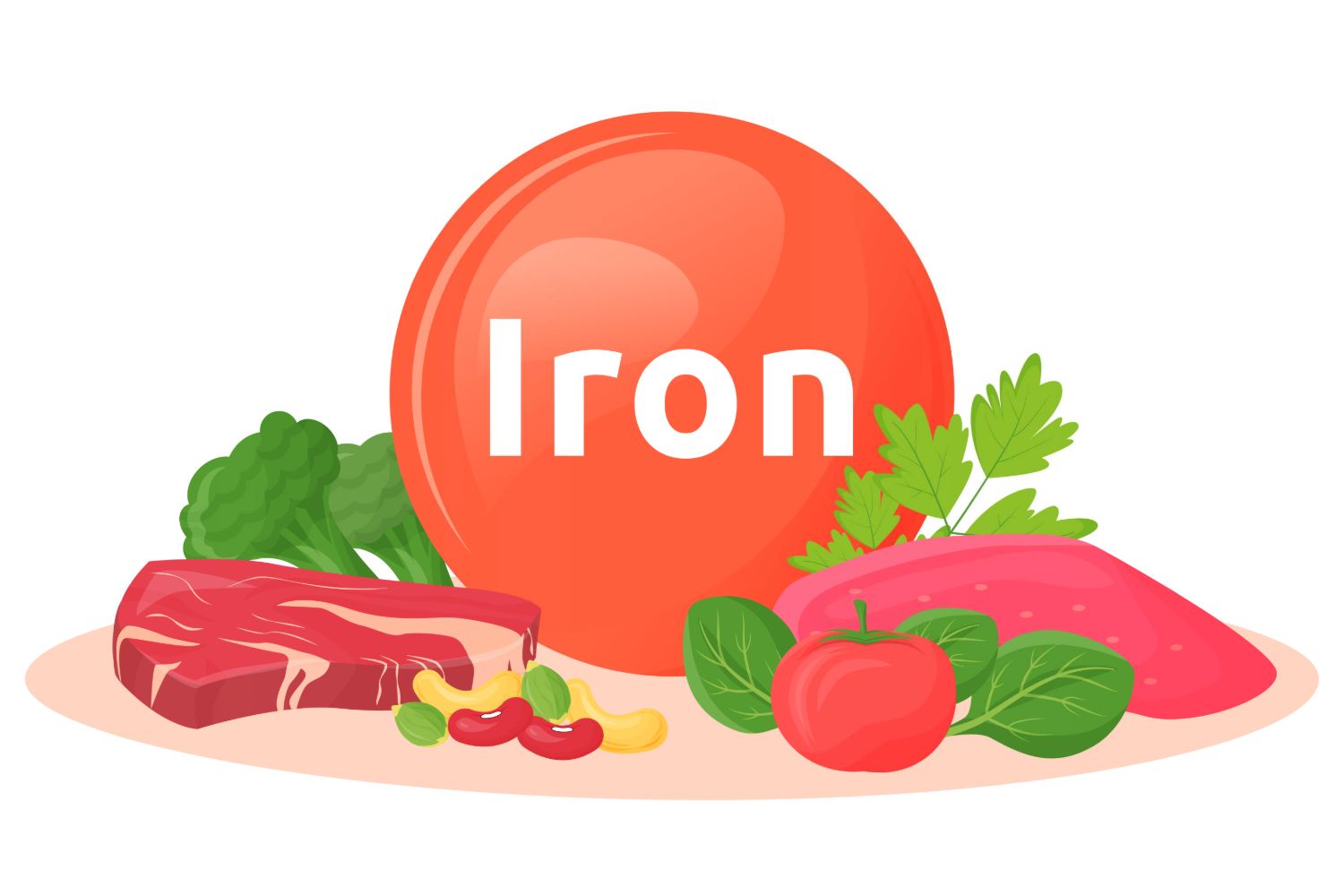
Iron is an essential micronutrient that plays a crucial role in numerous physiological processes, including oxygen transport, energy metabolism, and immune function. Its importance in wound healing is often overlooked, yet iron is fundamental in collagen synthesis, cellular proliferation, and tissue repair.
Wound healing is a complex biological process that occurs in distinct phases: hemostasis, inflammation, proliferation, and remodeling. Iron plays a pivotal role in each of these stages: Hemostasis and Oxygen Transport: Iron is a key component of hemoglobin, which facilitates oxygen transport to tissues, increasing adequate oxygenation is essential for clot formation and preventing excessive bleeding in the hemostasis phase. The oxygen is also required for oxidative stress responses that aid in pathogen defense and tissue repair. Inflammatory Phase: Iron supports immune function by enabling white blood cells e.g., macrophages and neutrophils, to eliminate pathogens and clear debris. The ferritin, an iron-storage protein, helps regulate iron availability to prevent bacterial growth while ensuring immune cell function. A status of anemia or iron deficiency can lead to prolonged inflammation, impairing wound resolution). Proliferation and Collagen Synthesis: Iron is crucial for fibroblast proliferation, a key step in forming new tissue. Hydroxylation of proline and lysine, essential for collagen maturation, requires iron-dependent enzymes and without sufficient iron, collagen synthesis is disrupted, leading to weak wound closure and delayed healing. It has got an important role in the wound care heling process. Remodeling and Angiogenesis: this is the final phase of wound healing involves tissue remodeling and the formation of new blood vessels. Iron-dependent enzymes, such as prolyl hydroxylase, regulate angiogenesis by stabilizing hypoxia-inducible factors (HIFs), which promote vascular development. For this reason, deficient iron levels impair angiogenesis, reducing blood supply to healing tissues and increasing the risk of chronic wounds.
Iron deficiency is a common nutritional deficiency that can negatively impact wound healing. Key consequences include: anemia, reducing oxygen delivery to the wound site; weakened immune response, increasing the risk of infections; decreased collagen synthesis, leading to fragile, slow-healing wounds; reduced energy metabolism, impairing cellular repair functions, optimizing Iron Levels for Effective Wound Healing
To support optimal wound healing, healthcare providers must ensure adequate iron intake and utilization and the strategy include a properly dietary Sources of Iron, heme iron (from animal sources) is highly bioavailable and found in red meat, poultry, and fish. Another source is also the Non-heme iron (from plant sources) is less readily absorbed but found in spinach, lentils, beans, and fortified cereals. Enhancing non-heme iron absorption with vitamin C-rich foods (e.g., citrus fruits, bell peppers) can improve bioavailability.
Oral iron supplements (e.g., ferrous sulfate, ferrous gluconate) may be prescribed for individuals with iron deficiency anemia. Intravenous iron therapy is an option for those with severe deficiency or malabsorption issues.
Healthcare providers should assess iron status through hemoglobin, ferritin, and transferrin saturation levels, managing underlying conditions (e.g., chronic inflammation, kidney disease) that affect iron metabolism is crucial for wound healing success.
In conclusion, Iron is an indispensable nutrient in the wound healing process, influencing oxygen transport, immune function, collagen synthesis, and angiogenesis. Deficiencies in iron can result in delayed healing, increased risk of infection, and chronic wound formation. By ensuring adequate iron intake through diet, supplementation, and medical management, healthcare providers can improve patient outcomes and promote efficient wound healing. Understanding the role of iron in wound care is essential for both clinicians and patients to facilitate optimal recovery and tissue repair.