
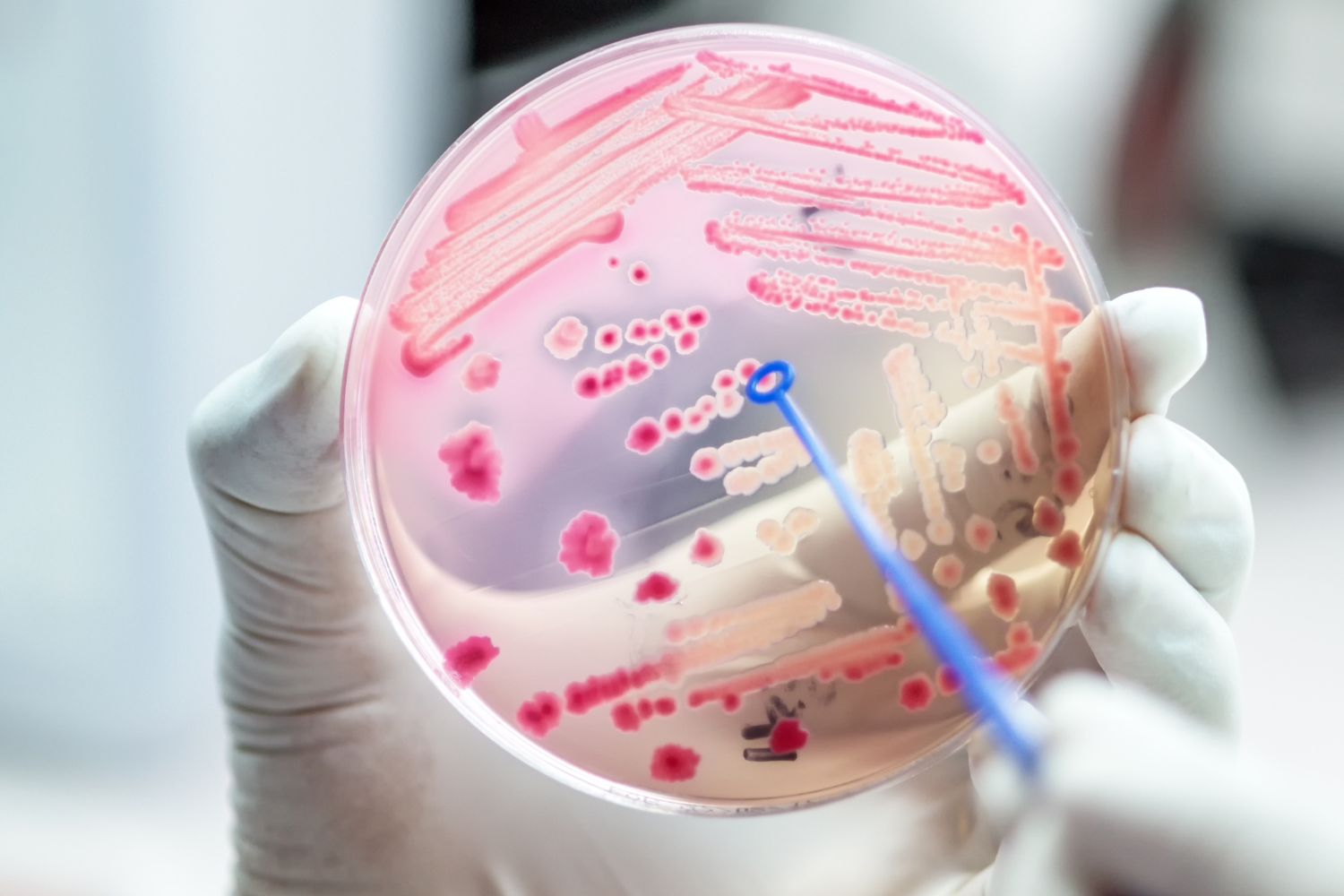
Antimicrobial resistance (AMR) is a growing global concern, affecting various aspects of healthcare, including wound management. Wound infections are common complications that can arise from injuries, surgeries, or chronic conditions. The emergence of antimicrobial-resistant pathogens poses significant challenges to effective wound management, potentially leading to severe consequences for patients and increased healthcare costs.
Wound infections caused by bacteria such as Staphylococcus aureus, Escherichia coli, and Pseudomonas aeruginosa are prevalent, and until recently, they were often managed using antimicrobial agents like antibiotics. However, the overuse and misuse of antibiotics have fueled the development and spread of AMR. As a result, some once easily treatable infections have become increasingly difficult to control, leading to prolonged healing times, higher rates of complications, and even fatalities.
The impact of AMR on wound management is multifaceted. First and foremost, it limits the choice of effective antimicrobial agents. As bacteria develop resistance to commonly used antibiotics, healthcare professionals must resort to alternative, often more potent and costly antimicrobial agents, which may have their own side effects. Additionally, limited treatment options can result in delayed wound healing, chronic infections, and a higher risk of systemic spread.
AMR also affects wound care in the context of surgical procedures. Infections acquired during surgery, such as surgical site infections (SSIs), are a major concern for patient safety. AMR bacteria can colonize surgical sites, leading to severe complications that may require additional surgical interventions, prolonged hospital stays, and increased healthcare costs.
Furthermore, AMR has implications for patients with chronic wounds, such as diabetic foot ulcers or pressure ulcers. These wounds are already challenging to manage due to impaired healing processes and compromised immune responses. The presence of AMR bacteria in chronic wounds makes them even more difficult to treat, exacerbating the burden on patients and the healthcare system.
To address the issue of antimicrobial resistance in wound management, a multifaceted approach is required. Firstly, there is an urgent need to promote antimicrobial stewardship. This involves educating healthcare professionals and the general public about the appropriate use of antimicrobial agents, the importance of completing prescribed courses of treatment, and the dangers of sharing or using leftover antibiotics.
In addition, researchers and pharmaceutical companies must continue to invest in the development of novel antimicrobial agents. This includes exploring new classes of antibiotics, improving existing ones, and investigating alternative therapeutic options, such as phage therapy or antimicrobial peptides. Furthermore, the use of topical antimicrobial agents or dressings that can target specific pathogens while minimizing systemic exposure should be encouraged.
Preventive measures also play a vital role in mitigating AMR’s impact on wound management. Proper wound care techniques, including thorough cleaning, debridement, and appropriate dressing selection, can reduce the risk of infection and the need for antimicrobial agents. Strict adherence to infection prevention and control protocols in healthcare settings, particularly in surgical environments, is crucial to minimize the transmission of AMR bacteria.
In conclusion, antimicrobial resistance significantly impacts wound management, making infections more difficult to treat and increasing the risk of complications. To address this growing concern, a comprehensive approach is needed, encompassing antimicrobial stewardship, innovative research, preventive measures, and adherence to infection control practices. Only through collaborative efforts at local, national, and global levels can we effectively combat AMR and safeguard the efficacy of antimicrobial agents in wound care, ensuring better patient outcomes and a healthier future for all.