
Wound healing is a complex and dynamic process that involves a series of interdependent events aimed at restoring tissue integrity and function after injury. Among the various factors that influence wound healing, nutrition plays a crucial role, and one of the essential nutrients involved in this process is Vitamin A.
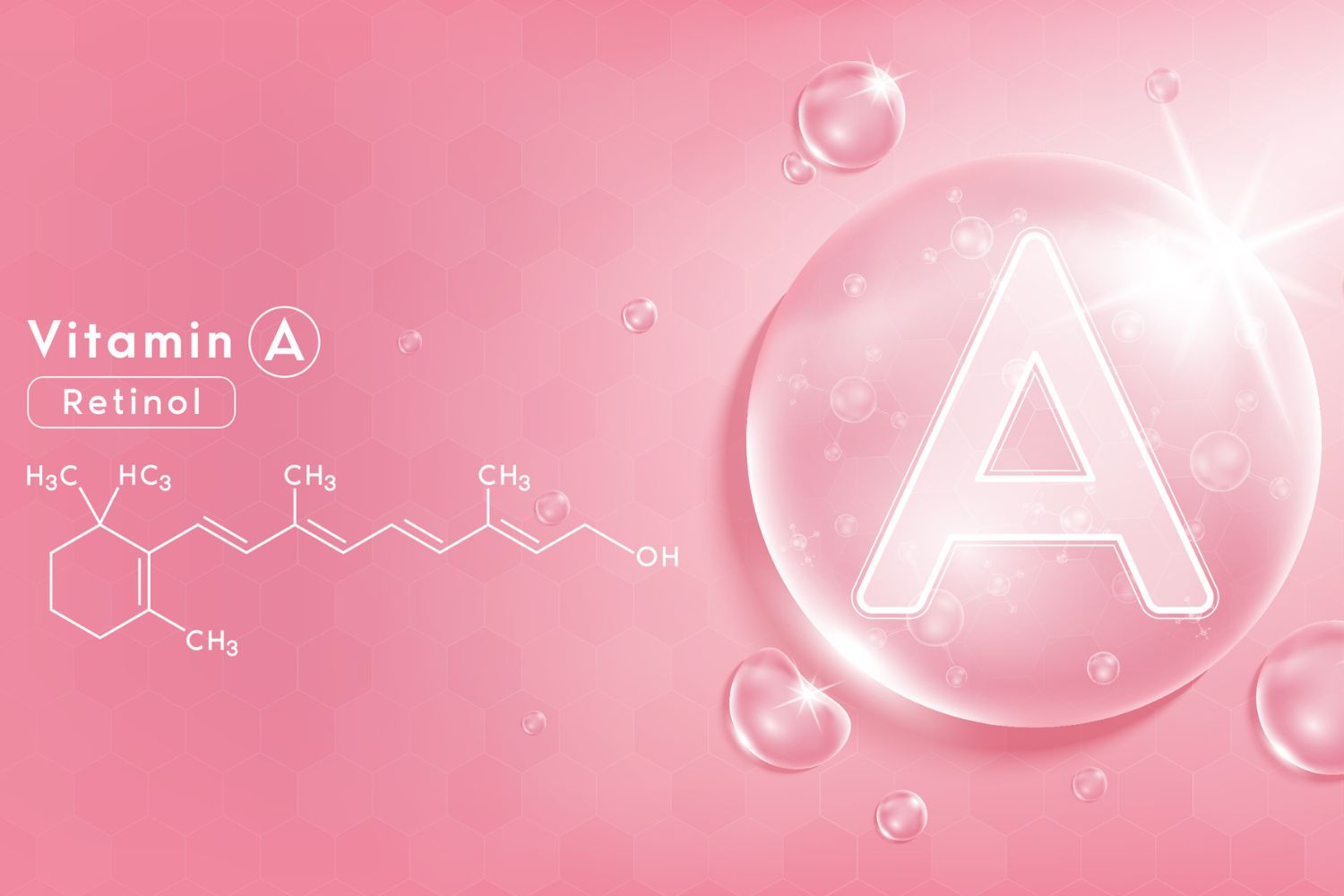
Vitamin A is a fat-soluble vitamin that exists in two main forms: retinoids, which include retinol, retinal, and retinoic acid; and carotenoids, which are provitamin A compounds found in certain fruits and vegetables. This vitamin is renowned for its role in vision, but it also serves as a potent regulator of various physiological processes, including cell differentiation, immune function, and epithelial tissue maintenance.
The wound healing process can be divided into three main phases: the inflammatory phase, the proliferative phase, and the remodeling phase. Let’s explore how Vitamin A influences each of these phases:
Inflammatory Phase: Following an injury, the inflammatory phase is initiated to control bleeding, prevent infection, and remove debris. During this phase, immune cells such as neutrophils and macrophages infiltrate the wound site to clear pathogens and damaged tissue. Vitamin A plays a critical role in modulating the immune response by promoting the differentiation and maturation of these immune cells. This ensures a swift and effective inflammatory response, preventing excessive inflammation that could impair the healing process.
Proliferative Phase: The proliferative phase is characterized by the formation of new tissue to replace the wound area. Fibroblasts, a type of connective tissue cell, are responsible for producing collagen and extracellular matrix components essential for tissue strength and structure. Vitamin A stimulates fibroblast proliferation and collagen synthesis, contributing to the formation of robust, well-organized scar tissue. Moreover, Vitamin A enhances angiogenesis, the process of forming new blood vessels, which is crucial for providing the growing tissue with oxygen and nutrients.
Remodeling Phase: During the remodeling phase, the newly formed tissue undergoes continuous changes to improve its strength and function. Collagen fibers are reorganized, and the scar tissue matures. Vitamin A plays a role in this phase by promoting collagen turnover and preventing excessive scar formation. Proper balance in collagen remodeling is essential to ensure the scar’s flexibility and functionality.
Vitamin A deficiency can severely impair the wound healing process. Individuals lacking adequate Vitamin A may experience delayed wound closure, increased susceptibility to infections, and the formation of weak and fragile scar tissue. Certain groups of people are more prone to Vitamin A deficiency, such as those with malabsorption conditions, inadequate dietary intake, or certain medical conditions.
On the other hand, an excess of Vitamin A can also be detrimental to wound healing. Excessive levels of retinoids, often resulting from supplementation, may lead to increased inflammation and delayed wound closure. Therefore, maintaining an appropriate balance of Vitamin A is crucial for optimal wound healing.
The best way to obtain Vitamin A is through a balanced diet. Foods rich in retinoids include liver, fish oil, dairy products, and fortified cereals. Carotenoids are abundant in fruits and vegetables with vibrant colors, such as carrots, sweet potatoes, spinach, and kale. Consuming a diverse range of these foods can help ensure adequate Vitamin A intake for supporting the wound healing process.
In conclusion, Vitamin A plays a multifaceted role in wound healing, influencing various phases of the process. From promoting an efficient inflammatory response to supporting tissue regeneration and remodeling, Vitamin A is indispensable for optimal wound healing outcomes. However, maintaining a proper balance is key, as both deficiency and excess of this essential nutrient can negatively impact the healing process. For individuals with wounds, ensuring adequate Vitamin A intake through a balanced diet can significantly contribute to better and faster wound healing. As always, consulting with a healthcare professional is advised for personalized nutritional recommendations to support wound healing and overall health.