
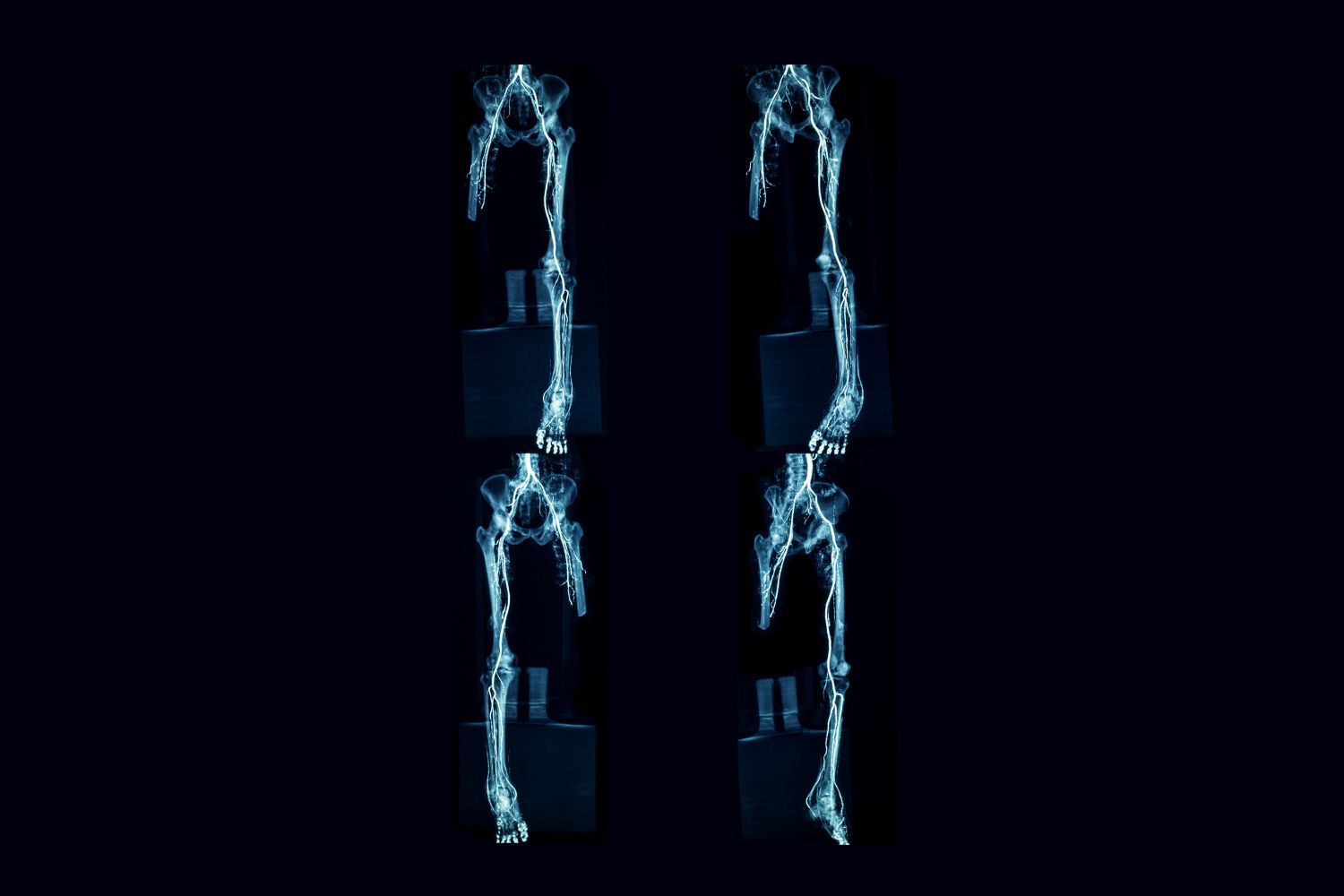
Lower Extremity Arterial Disease (LEAD), also known as Peripheral Arterial Disease (PAD), is a common vascular disorder that affects the arteries supplying blood to the lower extremities, primarily the legs and feet. It is caused by atherosclerosis, a condition characterized by the build-up of plaque within the arteries, leading to narrowing and reduced blood flow to the affected areas. LEAD is a significant public health concern worldwide and is associated with considerable morbidity and mortality.
LEAD is prevalent among older adults, particularly those over the age of 60, and its incidence increases with age. It is more common in men than in women. Several risk factors contribute to the development of LEAD, including smoking, diabetes, hypertension, dyslipidemia (high cholesterol), obesity, and a sedentary lifestyle. Individuals with a family history of cardiovascular diseases are also at higher risk.
The atherosclerotic process underlying LEAD involves the deposition of cholesterol, fatty substances, calcium, and other cellular debris on the inner walls of the arteries, forming plaques. These plaques gradually narrow the arteries, reducing blood flow and oxygen delivery to the muscles and tissues of the lower extremities. As the disease progresses, the risk of developing critical limb ischemia (CLI), where blood flow is severely limited, increases, leading to tissue damage and possible limb loss.
LEAD often remains asymptomatic in its early stages, but as the arterial blockages worsen, patients may experience symptoms such as intermittent claudication. Intermittent claudication is characterized by muscle pain, cramping, or fatigue in the legs during physical activity, which typically resolves with rest. As the disease advances, symptoms may worsen, and pain may occur even at rest or during the night, indicating more severe ischemia. In extreme cases, non-healing wounds or gangrene may develop, necessitating urgent medical attention.
A thorough medical history and physical examination are essential in evaluating suspected cases of LEAD. The ankle-brachial index (ABI) is a non-invasive test commonly used to diagnose the disease. It compares the blood pressure in the arms with that in the ankles to assess blood flow to the lower extremities. An ABI value of less than 0.90 is considered indicative of LEAD. Other imaging modalities such as Doppler ultrasound, magnetic resonance angiography (MRA), and computed tomography angiography (CTA) may be employed to visualize the arterial structures and assess the severity and location of arterial blockages.
The management of LEAD is multifaceted and aims to alleviate symptoms, improve functional status, prevent disease progression, and reduce cardiovascular risk. Lifestyle modifications play a crucial role and include smoking cessation, regular physical activity, and adopting a heart-healthy diet. Medications such as antiplatelet agents, lipid-lowering drugs, and antihypertensive may be prescribed to manage associated risk factors and prevent complications.
For patients with severe arterial blockages or critical limb ischemia, revascularization procedures may be necessary. Endovascular procedures, such as angioplasty and stenting, can be performed to open narrowed arteries and restore blood flow. In more complex cases, bypass surgery, where a graft is used to reroute blood around the blocked artery, may be required.
Lower Extremity Arterial Disease is a prevalent vascular disorder that can significantly impact the quality of life of affected individuals. Early diagnosis, lifestyle modifications, and appropriate medical management are crucial in reducing symptoms, preventing complications, and improving long-term outcomes. Timely revascularization procedures can also help preserve limb function and prevent the need for amputation. Public awareness campaigns focusing on risk factor modification and regular health check-ups can aid in early detection and effective management of this challenging condition.