
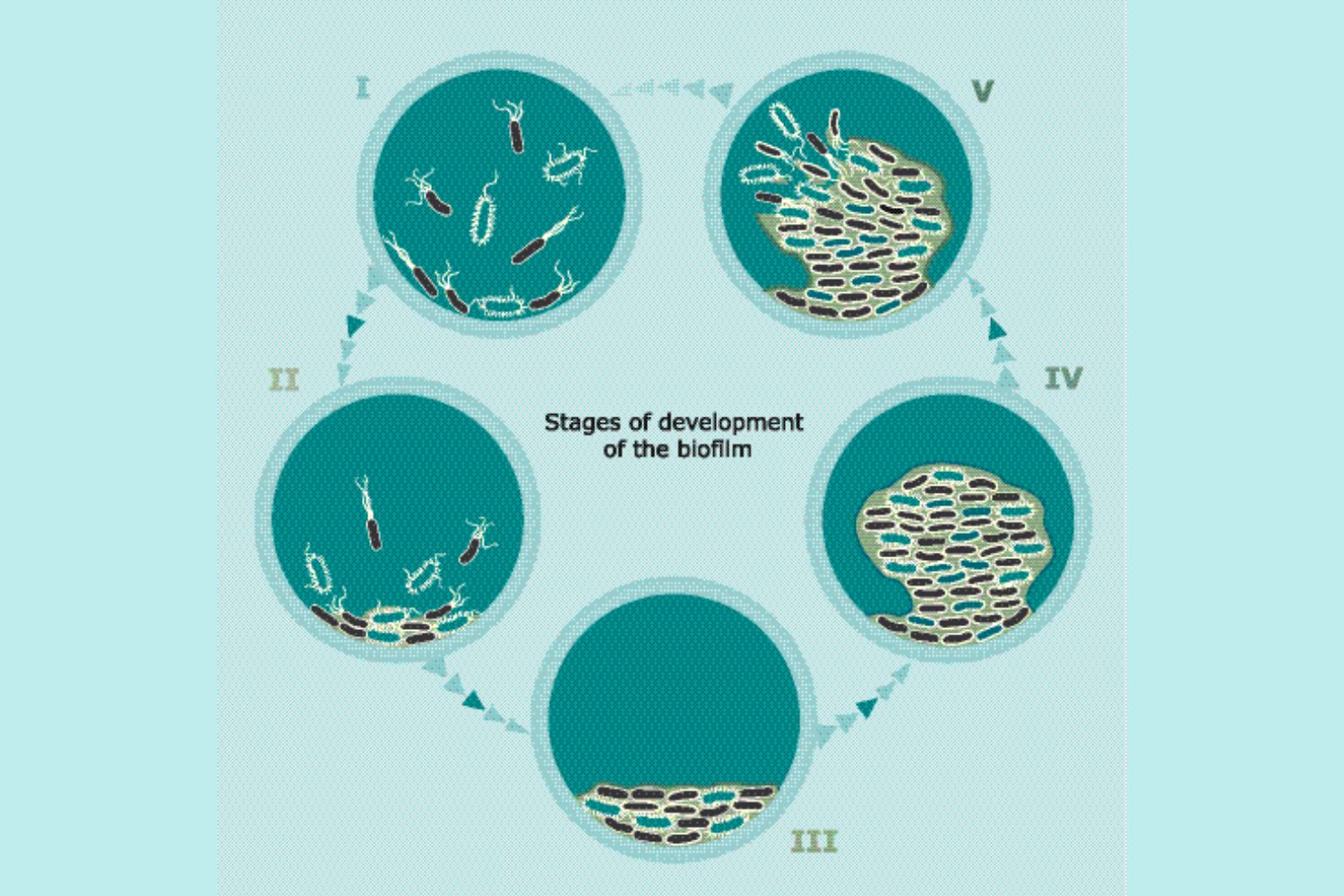
Wound healing is a complex process, and one of the significant challenges in managing chronic wounds is the presence of biofilm. Biofilm is a structured community of bacteria and other microorganisms encased in a protective extracellular matrix. This matrix makes the bacteria highly resistant to antibiotics and the body’s immune defenses, leading to persistent infections and delayed healing. Understanding biofilm and implementing appropriate wound care strategies are essential to improving patient outcomes.
Biofilm forms when bacteria attach to a surface, such as a wound bed, and produce a protective matrix. This matrix shields bacteria from antimicrobial agents and host immune responses, allowing them to thrive and persist. Biofilm can form within hours to days and is often present in non-healing or chronic wounds. It contributes to inflammation, delayed healing, and increased risk of complications.
Biofilm is not always visible to the naked eye, making detection challenging. However, certain indicators suggest its presence:
- Delayed wound healing despite appropriate treatment
- Recurring or persistent infections
- Sloughy, gelatinous wound tissue
- Increased drainage and inflammation
- Poor response to antibiotics and topical antiseptics
If a wound remains unresponsive to standard care, biofilm should be suspected and addressed through targeted interventions. Effective Strategies for Managing Biofilm in Wound Care are:
Debridement: it is a critical step in biofilm management. By removing devitalized tissue and biofilm structures, it promotes a healthier wound environment. There are various debridement techniques, including sharp debridement performed using a scalpel or scissors to remove biofilm-infected tissue.
Autolytic debridement: Uses the body’s natural enzymes to break down biofilm, facilitated by moisture-retentive dressings.
Enzymatic debridement: Involves applying enzymatic agents that degrade biofilm components.
Mechanical debridement: Uses gauze, wound irrigation, or specialized dressings to physically disrupt biofilm.
Regular debridement is essential, as biofilm can reform within 24 to 72 hours if not adequately managed. Once debridement is performed, using antimicrobial agents can help prevent biofilm reformation. Some effective options include: Silver dressings: Silver has broad-spectrum antimicrobial properties that can target biofilm bacteria. Iodine-based dressings: Provide sustained antimicrobial action. PHMB (polyhexamethylene biguanide): Effective against a wide range of bacteria and biofilms. Honey-based dressings: Contain natural antibacterial properties and promote healing. Topical and Systemic Antimicrobial Therapy
While systemic antibiotics alone are often ineffective against biofilm, combining them with topical antimicrobials and debridement enhances their efficacy. Selecting the right antimicrobial agents based on wound culture results can improve treatment outcomes.
Emerging treatments offer additional options for biofilm disruption:
Low-frequency ultrasound therapy: Disrupts biofilm structures and enhances wound healing.
Negative pressure wound therapy (NPWT): Promotes wound drainage and reduces bacterial load.
Antibiofilm agents: Newer treatments specifically designed to target biofilm matrix components.
Preventing biofilm from forming is key to successful wound care. Strategies include the frequent wound assessment and monitoring to detect early signs of biofilm. It is also important to Maintain a clean wound environment by using appropriate dressings and hygiene practices. In any case, early and consistent wound care interventions to prevent biofilm from becoming established.
In conclusion, Biofilm is a significant barrier to wound healing, requiring a multifaceted approach that includes debridement, antimicrobial therapies, and advanced wound care strategies. By implementing a comprehensive wound management plan, healthcare providers can reduce biofilm formation, promote healing, and improve patient outcomes. Recognizing the persistent nature of biofilm and staying proactive in its management is key to successful wound care.