
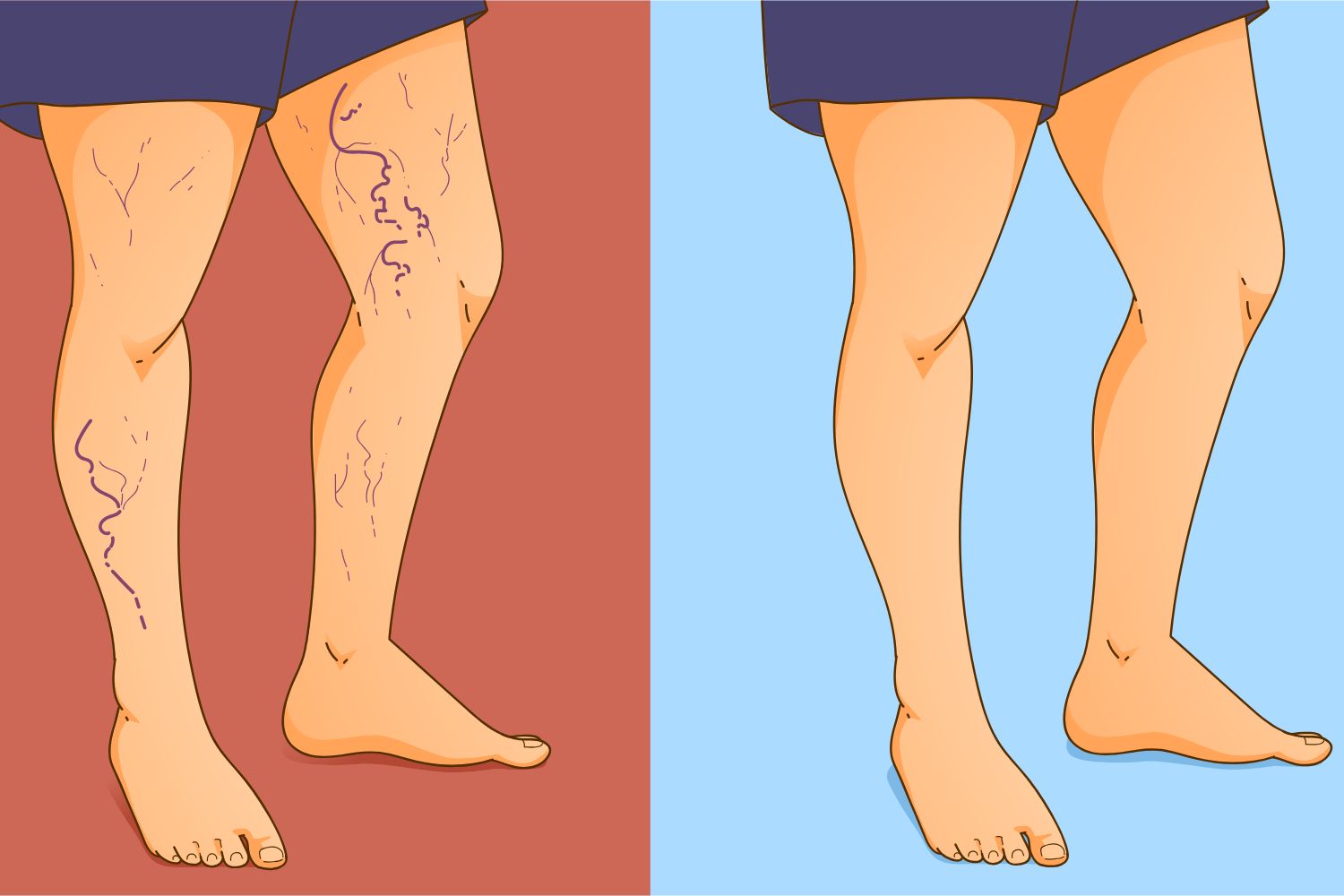
Venous leg ulcers (VLUs) are chronic wounds that develop due to poor venous circulation, typically in individuals with underlying venous insufficiency. They are a major cause of morbidity, often recurring and leading to complications such as infections and prolonged wound healing. Preventing venous leg ulcers is essential for improving patients’ quality of life and reducing healthcare costs associated with chronic wound management. Effective prevention strategies focus on improving venous circulation, reducing risk factors, and maintaining skin integrity.
VLUs are caused by prolonged venous hypertension, which damages the skin and underlying tissues, leading to ulcer formation. Common risk factors include: Chronic venous insufficiency (CVI), Deep vein thrombosis (DVT), Varicose veins, obesity, immobility or prolonged standing and previous history of venous ulcers. By addressing these risk factors, patients can significantly reduce their likelihood of developing VLUs.
The Key Strategies for Preventing Venous Leg Ulcers include the compression therapy that is one of the most effective ways to prevent VLUs is through compression therapy. Graduated compression stockings or bandages help improve blood flow, reduce venous pressure, and prevent swelling in the lower extremities. It is important to use the correct level of compression as prescribed by a healthcare professional.
Wearing compression stockings consistently, especially for individuals with a history of VLUs or chronic venous insufficiency. Ensuring proper fit and replacement of compression garments when they lose elasticity.
Exercise plays a crucial role in promoting healthy venous circulation by strengthening calf muscles, which assist in blood flow back to the heart. Recommended activities include: walking regularly to enhance circulation and performing calf exercises such as toe raises and ankle flexion. It is also Important to Avoid prolonged sitting or standing by taking short movement breaks. Additionally, elevating the legs above heart level for 15-30 minutes several times a day can help reduce venous pressure and swelling.
Obesity is a significant risk factor for VLUs as it increases pressure on the veins. Weight management through a balanced diet and regular exercise can improve venous health and decrease the likelihood of ulcer development.
Patients with high risk to develop a venous ulcer, should have a proper Skin Care and Hygiene, maintaining good skin integrity reduces the risk of ulcers. Important skin care practices include to Keep the skin clean and moisturized to prevent dryness and cracks. It is necessary to inspect the legs daily for any signs of skin breakdown, swelling, or discoloration. It is also crucial to avoid harsh soaps and using gentle skin cleansers and to treat minor wounds promptly to prevent infections.
Chronic diseases such as diabetes and cardiovascular conditions can exacerbate venous issues. Effective management includes: controlling blood sugar levels in diabetic patients; managing high blood pressure and cholesterol levels; seeking regular medical check-ups for venous health assessments.
Wearing supportive shoes with proper arch support can help improve circulation and reduce pressure on the lower limbs. Avoiding high heels and tight-fitting shoes can prevent venous congestion.
In conclusion, preventing venous leg ulcers requires a proactive approach focused on improving circulation, managing risk factors, and maintaining skin health. Compression therapy, physical activity, proper skincare, and weight management play key roles in reducing the likelihood of ulcer development. By incorporating these preventive measures into daily routines, individuals at risk can maintain better leg health and avoid the complications associated with VLUs. Regular consultations with healthcare providers ensure effective management and early intervention, further reducing the risk of recurrence.