
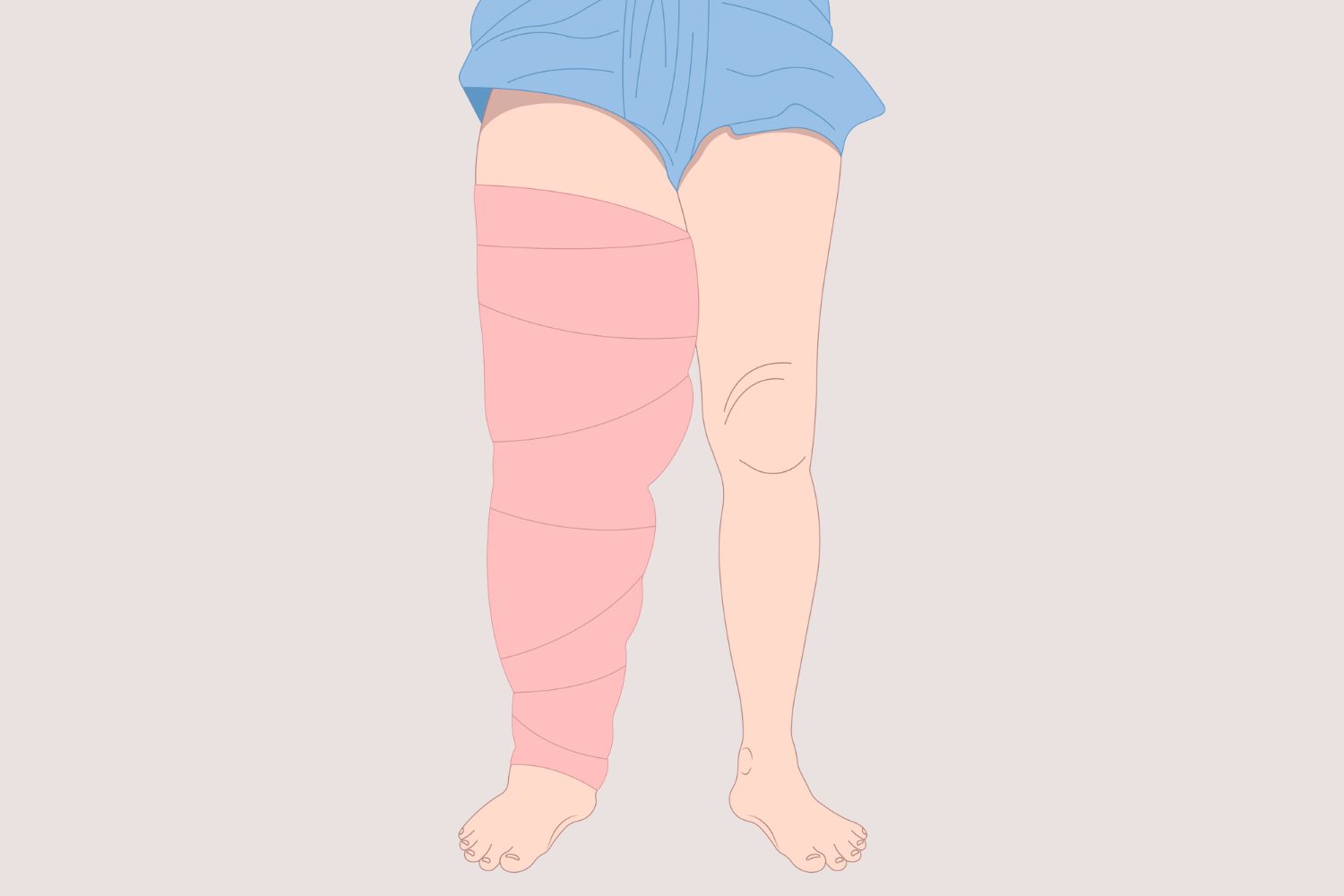
Compression therapy is a cornerstone in the management of wounds on the lower limbs, particularly venous leg ulcers (VLUs), lymphedema-related wounds, and other chronic wounds associated with venous insufficiency. It is a non-invasive, effective treatment that improves venous return, reduces edema, and enhances wound healing. This therapy involves the application of external pressure through bandages or compression garments to support the veins and facilitate proper blood circulation.
Compression therapy works by exerting controlled pressure on the lower limbs, which helps to improve blood flow in the veins by reducing venous reflux and hypertension, reducing the swelling and to prevent fluid accumulation in the tissues. It is also important to promote oxygen and nutrient delivery to the wound, accelerating the healing process. It has got a crucial role in the prevention of complications such as deep vein thrombosis (DVT) and ulcer recurrence. By addressing the underlying causes of venous and lymphatic disorders, compression therapy significantly enhances the effectiveness of wound care and reduces the risk of complications.
There are various forms of compression therapy available, and the choice of treatment depends on the patient’s condition and wound severity. The compression bandaging is commonly used for active ulcer management. These bandages are available in different types, including: Short-stretch bandages that provide high working pressure and are effective in managing severe edema. Long-stretch bandages that maintain consistent pressure and are useful for patients with limited mobility. Multilayer bandaging systems is often used in chronic wound care, these systems provide sustained compression and improve patient compliance.
Once a wound has healed or when managing mild venous insufficiency, compression stockings are recommended for long-term use. They come in varying degrees of compression (mild to high), and healthcare providers prescribe the appropriate level based on the patient’s needs. Intermittent Pneumatic Compression (IPC) involves the use of an inflatable device that applies cyclic compression to the lower limb, helping to improve circulation. IPC is particularly beneficial for patients who are unable to tolerate continuous compression bandages or stockings.
Compression therapy offers several advantages in treating wounds on the lower limb:
- Faster Wound Healing: Enhances blood circulation, reduces inflammation, and supplies oxygen and nutrients to the affected area.
- Edema Reduction: Minimizes swelling by preventing fluid retention in the tissues.
- Pain Relief: Many patients experience reduced pain and discomfort as swelling decreases.
- Prevention of Ulcer Recurrence: Compression therapy lowers the chances of recurrent ulcers by maintaining proper venous function.
- Non-Invasive and Cost-Effective: Compared to surgical interventions, compression therapy is an affordable and non-invasive treatment option.
- Challenges and Considerations
Despite its benefits, compression therapy must be carefully managed to avoid complications. Some key considerations include proper application. In fact, the incorrect application of bandages or stockings can lead to pressure ulcers or restricted blood flow. The patient Compliance is important. Some individuals find compression therapy uncomfortable and may not adhere to prescribed treatment plans.
In some case, there are contraindications to use the compression therapy. Patients with severe arterial disease should not use high-compression therapy as it may worsen ischemia.
In conclusion, compression therapy is an essential treatment for managing lower limb wounds, particularly those related to venous insufficiency and chronic edema. By improving circulation, reducing swelling, and promoting wound healing, compression therapy enhances patient outcomes and prevents complications. However, proper assessment, correct application, and patient adherence are crucial for its success. With appropriate use and medical supervision, compression therapy remains one of the most effective non-invasive strategies for wound management in lower limb conditions.