
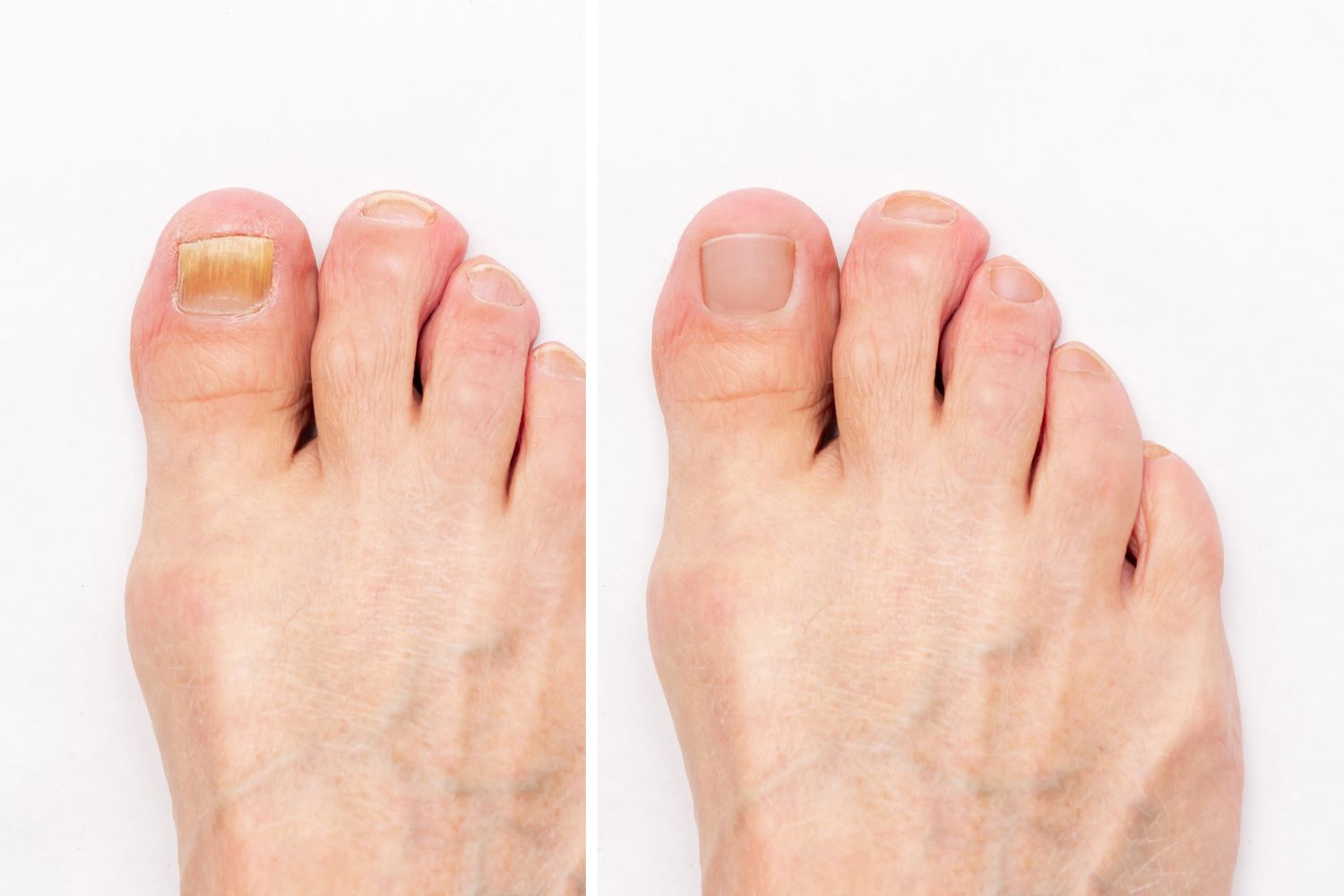
Fungal nail infections, also known as onychomycosis, are common conditions that affect the toenails and fingernails. They are caused by dermatophytes, yeasts, or molds that invade the nail bed and plate, leading to discoloration, thickening, and brittleness. If left untreated, fungal nail infections can cause discomfort, spread to other nails, and negatively impact overall nail health. This article explores the various treatment options available for fungal nail infections, ranging from topical treatments to oral medications and advanced therapies.
Fungal nail infections develop when fungi thrive in warm, moist environments, such as shoes, public showers, and swimming pools. Risk factors for developing the condition include poor foot hygiene, wearing tight or non-breathable shoes, walking barefoot in communal areas, weakened immune system and diabetes and circulatory disorders.
The infection typically begins as a small white or yellow spot under the nail and progresses, leading to nail thickening, crumbling, and detachment from the nail bed.
Fungal nail infections are difficult to treat, and complete recovery may take several months. Treatment choices depend on the severity of the infection and patient preferences. Topical treatments are the first-line option for mild infections or those affecting only a portion of the nail. These treatments include Antifungal Nail Lacquers: Medications such as ciclopirox and amorolfine are applied directly to the nail to prevent fungal growth. Medicated Creams and Ointments: Topical creams containing terbinafine or clotrimazole can be used, although they have limited penetration into thickened nails. Urea-Based Nail Softeners: These help break down the infected nail, allowing antifungal agents to penetrate more effectively. There are a lot of advantage to have this local treatment, such as Non-invasive therapy and fewer side effects compared to oral medications. The disadvantages are that these requires consistent application for several months and we have to say that these are less effective for severe infections
For moderate to severe infections, oral antifungal medications are more effective. Common options include: Terbinafine: Typically taken for 6 to 12 weeks, terbinafine is highly effective against dermatophyte fungi. Itraconazole: Used in pulse therapy, where it is taken intermittently to improve effectiveness while minimizing side effects. Fluconazole: Occasionally prescribed but is less commonly used due to varying effectiveness against nail fungi. The advantages includes higher cure rates than topical treatments. The disadvantages includes potential side effects, including liver toxicity and gastrointestinal issues. This medications requires regular monitoring for liver function in long-term use
Laser therapy is an emerging treatment for fungal nail infections, using focused light energy to destroy fungal cells without damaging surrounding tissue. The advantages includes that this is a Non-invasive and painless procedure, with no risk of systemic side effects and it can be combined with topical or oral treatments. The disadvantages includes that it requires multiple sessions, and this could be expensive and not always covered by insurance
In cases of severe or recurring infections, complete or partial nail removal may be necessary. This can be done through chemical Nail Removal: Urea-based treatments dissolve the infected nail gradually or Surgical Nail Removal: The entire nail is removed under local anesthesia to allow new nail growth. Laser-Assisted Removal as a combination of laser therapy and nail debridement improves treatment penetration.
To reduce the risk of recurrence, it is necessary to keep feet dry and clean, Wearing moisture-wicking socks and breathable footwear. It is necessary to avoid sharing nail clippers and foot hygiene tools, using antifungal powders or sprays in shoes. It is necessary to trim nails properly and avoid injury to the nail bed
In conclusion, fungal nail infections can be persistent and challenging to treat, but with the right combination of topical treatments, oral medications, and preventive measures, patients can achieve healthier nails. Early intervention is key to preventing complications and improving treatment success. Consulting a healthcare professional for proper diagnosis and treatment recommendations ensures the most effective approach for each individual case.