
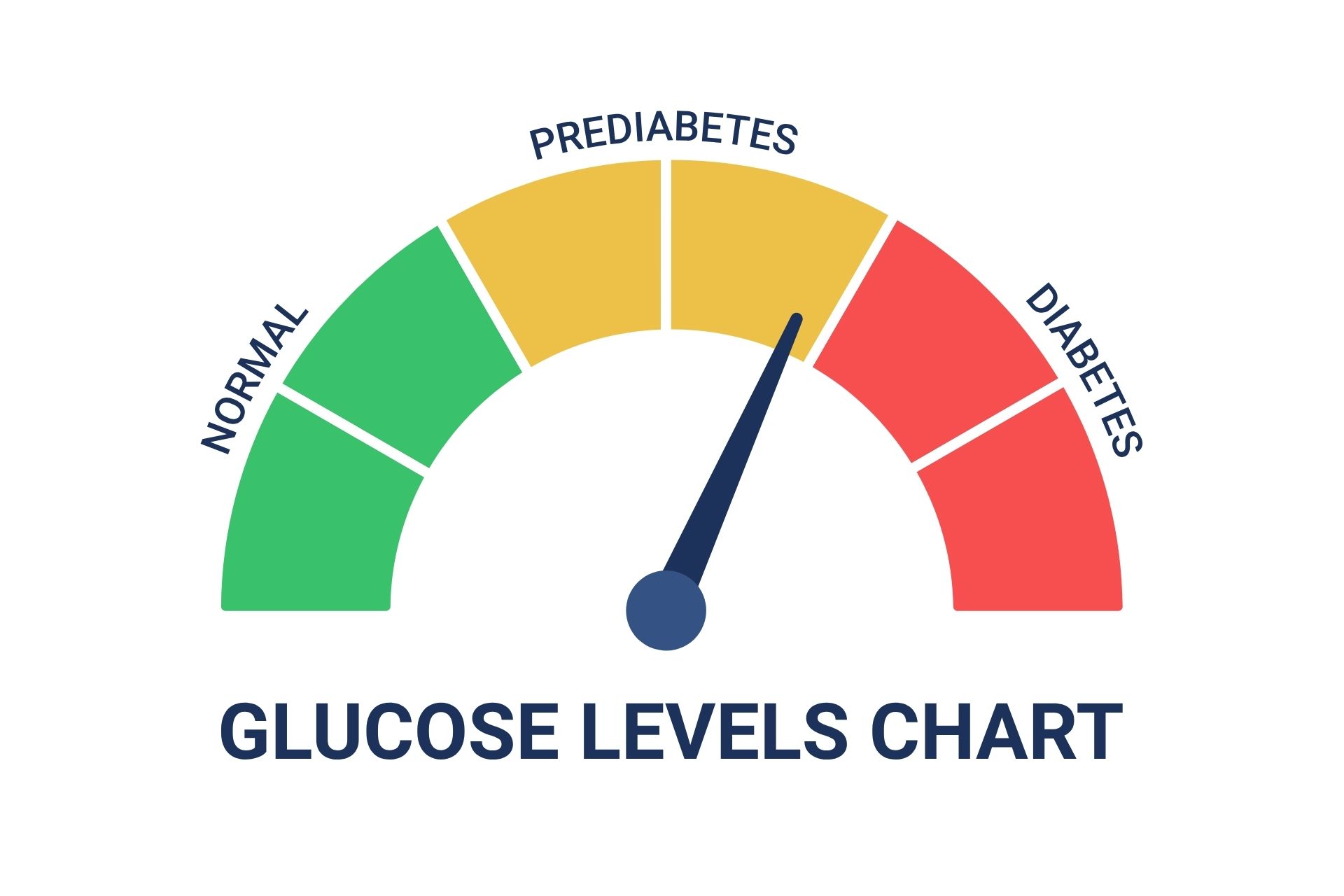
Diabetes mellitus is a global health concern, affecting millions of individuals and increasing the risk of serious complications, including diabetic foot ulcers (DFUs). These chronic wounds result from a combination of peripheral neuropathy, poor circulation, and impaired immune function. One of the most critical factors influencing wound healing in DFUs is glucose control. Proper management of blood sugar levels is essential for enhancing the body’s natural healing mechanisms, preventing infections, and reducing the risk of complications.
Uncontrolled diabetes significantly impairs the body’s ability to heal wounds. High blood glucose levels (hyperglycemia) negatively affect various physiological processes essential for tissue repair and regeneration: Impaired Immune Response – Elevated glucose levels weaken the immune system by reducing the efficiency of white blood cells. This makes it harder for the body to fight infections, increasing the likelihood of wound infections in DFUs. Reduced Blood Flow and Oxygenation – Diabetes damages blood vessels, leading to poor circulation. Reduced oxygen and nutrient supply to the wound site slows the healing process and increases the risk of chronic wounds. Neuropathy and Delayed Detection – Peripheral neuropathy, a common diabetes complication, reduces pain sensation. Patients may not notice wounds developing on their feet, leading to delayed treatment and worsening of the ulcer. Increased Inflammation and Oxidative Stress – Chronic hyperglycemia triggers prolonged inflammation and oxidative stress, causing tissue breakdown and delaying the formation of new tissue. Collagen Impairment and Poor Tissue Repair – High glucose levels interfere with collagen production, which is essential for wound closure. Poor collagen synthesis weakens the wound structure and delays healing. Maintaining optimal glucose levels plays a crucial role in improving the healing outcomes of diabetic foot ulcers. Benefits of effective glucose control include: Enhanced Immune Function – With better glucose regulation, white blood cells function more effectively, reducing the risk of infections and promoting faster healing. Improved Circulation and Oxygen Delivery – Lower blood sugar levels support vascular health, ensuring adequate blood flow and oxygen supply to the wound site. Faster Tissue Regeneration – Controlled glucose levels help in collagen production and tissue repair, leading to quicker wound closure. Reduced Risk of Amputations – Well-managed blood sugar levels decrease the chances of ulcer progression, severe infections, and lower limb amputations.
Managing blood sugar effectively requires a combination of lifestyle changes, medical management, and patient education. It is crucial to have a properly Monitoring Blood Glucose Levels that helps in maintaining glucose within the target range. Patients should follow their physician’s recommendations on target blood sugar levels to optimize wound healing. A well-balanced diet with controlled carbohydrate intake prevents blood sugar spikes. Incorporating high-fiber foods, lean proteins, and healthy fats supports overall metabolic health. Adequate hydration helps in circulation and tissue hydration.
Patients should take prescribed medications, including insulin and oral hypoglycemics, as directed. Adjustments in medications may be required based on blood sugar monitoring results.
Regular Physical Activity is a part of the treatment. Exercise improves insulin sensitivity and promotes circulation. Walking, swimming, or low-impact exercises help improve blood flow to the extremities, supporting wound healing.
It is also important to have a proper Foot Care and Wound Management, with daily foot inspections help in the early detection of ulcers. Wearing appropriate footwear reduces pressure points and prevents new wounds from forming. Regular wound cleaning, debridement, and medical dressings optimize the healing environment.
In Conclusion, maintaining proper glucose control is a fundamental aspect of diabetic foot ulcer management. Uncontrolled diabetes impairs wound healing and increases the risk of infections, complications, and amputations. By adopting a comprehensive approach—including regular glucose monitoring, a balanced diet, physical activity, medication adherence, and diligent foot care—patients can significantly improve their healing outcomes and overall quality of life. Healthcare providers must emphasize the importance of glucose control in wound care to reduce complications and enhance recovery in diabetic foot ulcer patients.